
OUR MISSION
The L.I.O.N. Foundation is dedicated to improving the lives of children with neurological and physical disabilities. We do this by providing life-changing sports experiences, mentorship, and adaptive opportunities, while also supporting long-term advancements in neurological care, including innovative treatments such as stem cell research, and the development of inclusive adaptive sports and community facilities.
OUR VISION
A world where children with spina bifida have access to cutting-edge medical advancements, grow up confident in their abilities, and are surrounded by a strong, inclusive community that sees them for who they are, not what they lack.
HOW WE CREATE IMPACT


Sports create community, confidence, and lifelong lessons. Through the L.I.O.N. Sports Experience, we give kids with neurological and physical disabilities opportunities to experience the power of being part of a team.
Our programs include:
Game Day Experiences with local high school, college, and professional teams
Athlete Mentorship connecting participants with inspiring role models
Inclusive Adaptive Sports Camps designed for athletes of all abilities
Experiences: Building Belonging Through Sports

Many families face financial and logistical barriers when trying to access adaptive sports opportunities.
We support families by providing adaptive sports equipment that insurance often does not cover, helping kids access the tools they need to stay active and engaged in sports.
Because the opportunity to play, compete, and grow should never be limited by access to equipment or resources.
Access: Removing Barriers to Participation

Innovation: Investing in the Future
While we focus on creating meaningful opportunities today, we are equally committed to building a better future for individuals living with neurological conditions.
Our long-term vision includes:
Investing in neurological research, including innovative treatments such as stem cell therapy
Developing an inclusive adaptive sports and recreation complex designed specifically for individuals with physical and cognitive disabilities.
This future facility will provide a place where children and adults can train, connect, and build community in an environment built specifically for their needs.
Our Story
Why is it taking so long?
And then we heard it… the knock. You know the knock. The one doctors give right before they walk in. Our doctor opened the door with a nervous smile. It was the kind of smile someone gives you when they’re about to say something they don’t want to say.
“Unfortunately… I have some bad news. Your lives have just changed forever.” Her voice cracked—almost like she was scared for us.
In that moment, the weight of what we were hearing began to settle in. We sat there frozen, with a pit in our stomachs, struggling to fully process the words being spoken. Our minds went to places no parent’s mind should ever have to go.
Is our baby going to make it?
And even harder to think about… if he does survive, what will his quality of life be?
Those thoughts were real. And they were terrifying.
The very next day, after more in-depth imaging, we learned the diagnosis: Our son had Myelomeningocele, the most severe form of Spina Bifida. In that moment, our lives changed forever.
Understanding Spina Bifida
Spina Bifida, in short, is when a baby’s spine does not fully develop inside the spinal canal, leaving the spinal cord exposed outside the body as the baby grows in the womb.
Over time, that exposure can damage the nerves of the spinal cord, which can lead to a wide range of developmental challenges (physical and cognitive) and those outcomes can vary greatly from child to child.
We learned about an incredible surgery that can sometimes be performed in utero, where doctors are able to repair the opening before birth. In many cases, this helps prevent further nerve damage and can dramatically improve outcomes.
Hearing about that surgery gave us hope.
But Leo’s case was different.
Leo also had Kyphosis, a curvature of the spine that can be common with this diagnosis. But Leo’s curvature was severe—so severe that doctors did not recommend any in-utero surgery.
It was heartbreaking.
It was hard enough to hear the diagnosis… but then to learn that there was a procedure that could improve outcomes, and that it wasn’t an option for our son…
We felt helpless.
At follow-up scans, we watched Leo’s movements become more and more subtle.
And the fear grew.
March 2, 2025 — Leo Arrives
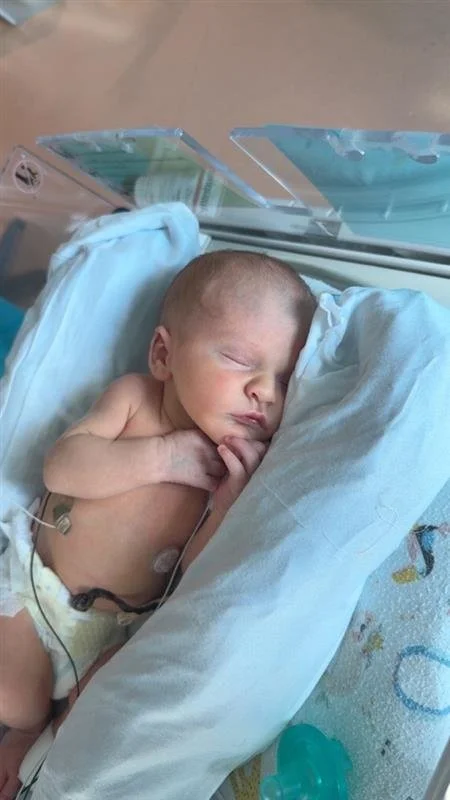
On March 2, Leo was welcomed into the world.
Almost immediately, he was transferred to the NICU, and we waited until his vitals were stable enough for surgery.
Every hour mattered.
The longer the spinal cord remained exposed, the higher the risk of further damage and infection. Finally, at barely two days old, Leo was wheeled back for surgery. A surgery that would take more than six hours.
His First Surgery
Leo’s first surgery was to repair the opening in his spine. The doctors were able to successfully place his spinal cord back into the spinal canal. They also shaved down some structural bone protruding from his kyphosis so that they could safely close the area.
Leo made it through his first hurdle in life. His surgery was successful. As he recovered, he was monitored constantly (every few hours) while we lived in a state of exhaustion, prayer, and hope.
Hydrocephalus and Leo’s Second Surgery
One complication that can come with this diagnosis is Hydrocephalus, which is a buildup of fluid in the brain.
In a typical body, the spinal cord plays a role in helping that fluid drain properly. But because Leo’s spinal cord had been damaged during development, we knew there was a chance his body wouldn’t be able to regulate that fluid on its own.
After days of monitoring, conversations, and difficult decisions, we were told Leo would need a VP Shunt.
A VP Shunt is placed under the scalp and into the brain like a drainage system. It’s adjustable and is used throughout a person’s life to help maintain healthy fluid levels.
At just five days old, Leo was wheeled back for his second major surgery.
This one… brain surgery.
4+ hours later, he was brought back to us, peacefully sleeping. Another successful operation.
We could see the large bulge of the shunt beneath his scalp and the outline of the tubing that ran behind his ear, down his neck, and into his abdomen. It was hard to look at… because it was a reminder of everything he was going through.
But it was also a reminder of what he had overcome.
Today, that shunt is barely visible as Leo grows. Every few months, we return to the doctor to check it and adjust it as needed. That tiny device (almost barely visible now) works every day to do what most bodies do naturally.
Coming Home
After a little over two weeks, Leo graduated from the NICU earlier than expected. And we finally brought him home.
Home to meet his best friend and big brother, Charlie. That’s when the real journey began.
Where We Are Today
Today, Leo has subtle movement in his legs. And he works every single day through rehab to keep building strength, development, and independence. We don’t know exactly what the future holds.
But we do know this:
Leo is a fighter.
And we believe he is here for a reason.
Leo’s journey began on March 2, 2025, the day he entered this world through an emergency C-section at Cincinnati Children’s Hospital.
But his story started long before that.
In October of 2024, we went in for our routine 20-week anatomy scan. After facing some minor scares with our first son, Charlie, our emotions that day were a mix of excitement… and a little bit of anxiety.
As the ultrasound tech guided us through the scan, pointing out different parts of our baby’s anatomy, we were filled with hope. She even snapped a few pictures for us to take home and share with our 1.5-year-old, and for a moment, everything felt normal.
After about 30 minutes, she walked us back to the waiting room where we would meet with the doctor and go over the results.
We sat there feeling relieved. Nothing seemed wrong—at least not from our perspective. But as the minutes passed… our relief started to fade. The longer we waited, the more nervous we became.
Meet Our Board
-
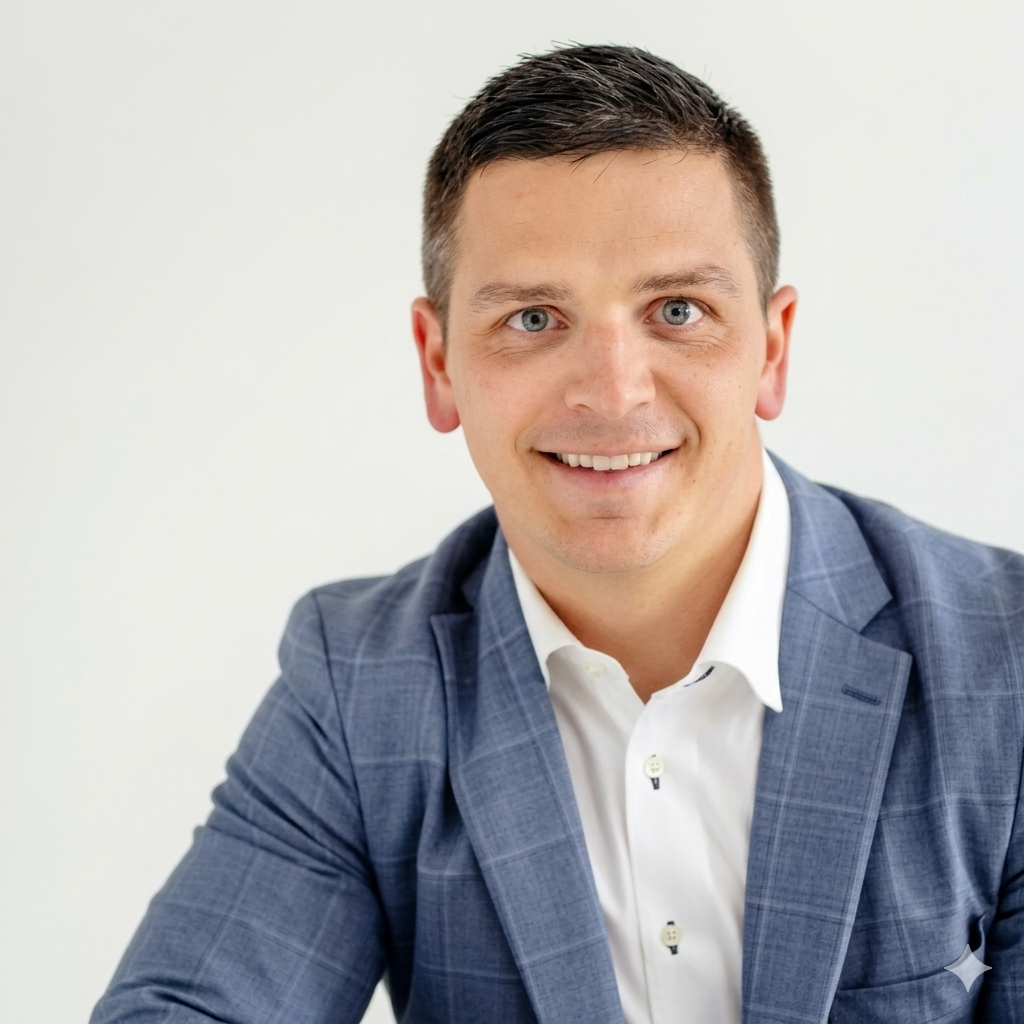
![Headshot of a smiling man with blue eyes and short dark hair, wearing a light gray plaid blazer and a white shirt, against a white background.]()
Jake Brodbeck
PRESIDENT
Jake Brodbeck works as an insurance advisor in the Midwest region helping individuals and businesses manage risk and protect what matters most.Jake has also spent more than a decade coaching football at St. Xavier High School, where he currently serves as Defensive Coordinator. Through coaching, he emphasizes the values of teamwork while mentoring young men to become strong leaders.
Jake and his wife, Krista, live in Cincinnati with their son Charlie and their youngest son Leo, who was born with Spina Bifida. Their family’s journey has reinforced the importance of sports and the values learned through being part of a team. That belief ultimately inspired the creation of the foundation and continues to drive its charitable mission to create this environment for all kids especially those who are disabled.
-
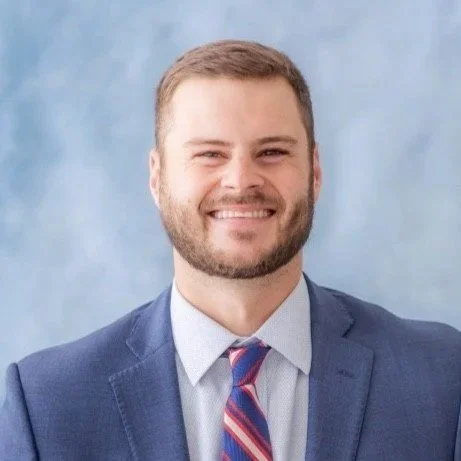
![A smiling man in a blue suit with a tie, standing against a soft blue background.]()
Peter Schmitt
TREASURER
Peter Schmitt is a Cincinnati native and graduate of Archbishop McNicholas High School. He earned a Bachelor of Business Administration in Finance from the Carl H. Lindner College of Business at the University of Cincinnati and holds the CERTIFIED FINANCIAL PLANNER™ designation.Peter began his career with Cincinnati Financial Corporation, where he was trained as a Commercial Underwriter. In 2015, he joined Schmitt Wealth Advisers, where he serves as an Investment Adviser Representative, helping individuals and families with financial planning and investment management.
Peter believes strongly in the value of teamwork, both in life and in the community. He is passionate about supporting organizations that bring people together to make a meaningful impact and provide opportunities for families and young people.
In his free time, Peter enjoys playing guitar, golfing, and following professional and collegiate sports. He and his wife live in Cincinnati with their son PJ and their daughter Josie.
-
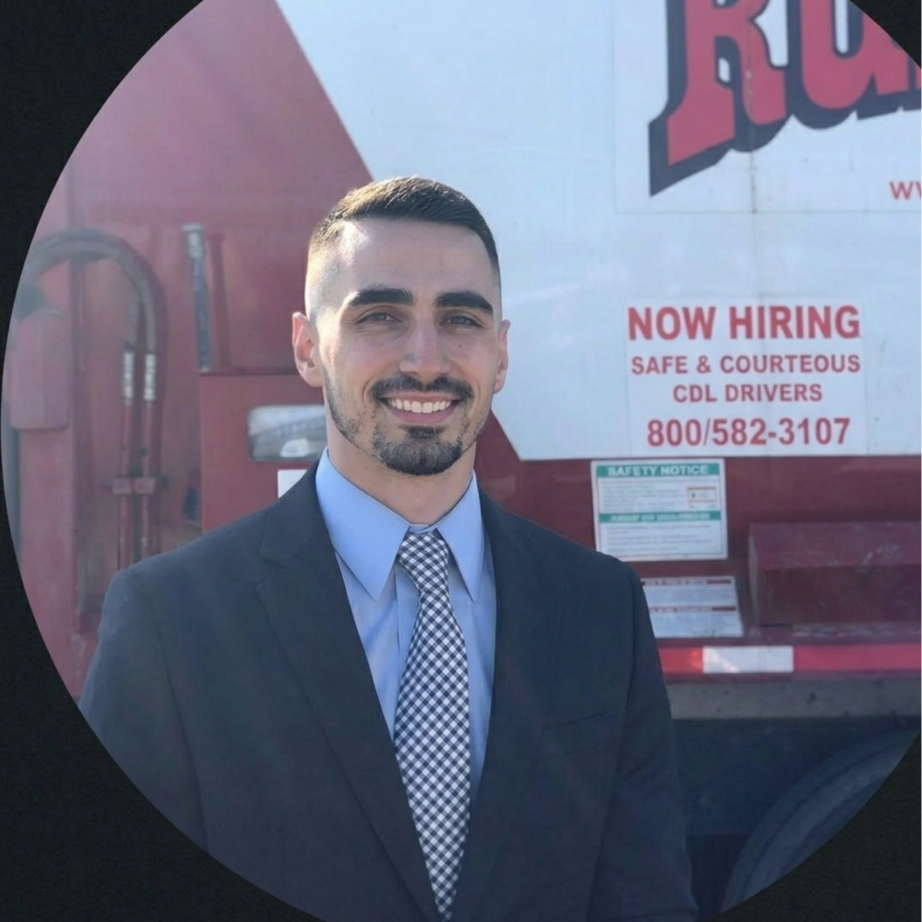
![A man in a suit with a blue shirt and checkered tie smiling in front of a red truck with job hiring signs.]()
Jake Rumpke
SECRETARY
Jake Rumpke is a Cincinnati native and business leader who serves as Vice President of Rumpke Waste & Recycling, one of the nation’s largest privately held waste and recycling companies. As part of the Rumpke family business, Jake helps continue the company’s long-standing commitment to environmental stewardship and community support throughout the region.Growing up, Jake was actively involved in athletics, playing both football and baseball through high school. He went on to play football at University of Dayton on scholarship. Through sports, Jake developed a deep appreciation for the value of teamwork, discipline, and shared purpose—principles that continue to guide his leadership and community involvement today.
Jake is passionate about supporting organizations that bring people together to make a meaningful difference for families and young people in the community. He currently resides in Loveland, OH with his wife Melissa and their daughter Lia.
-
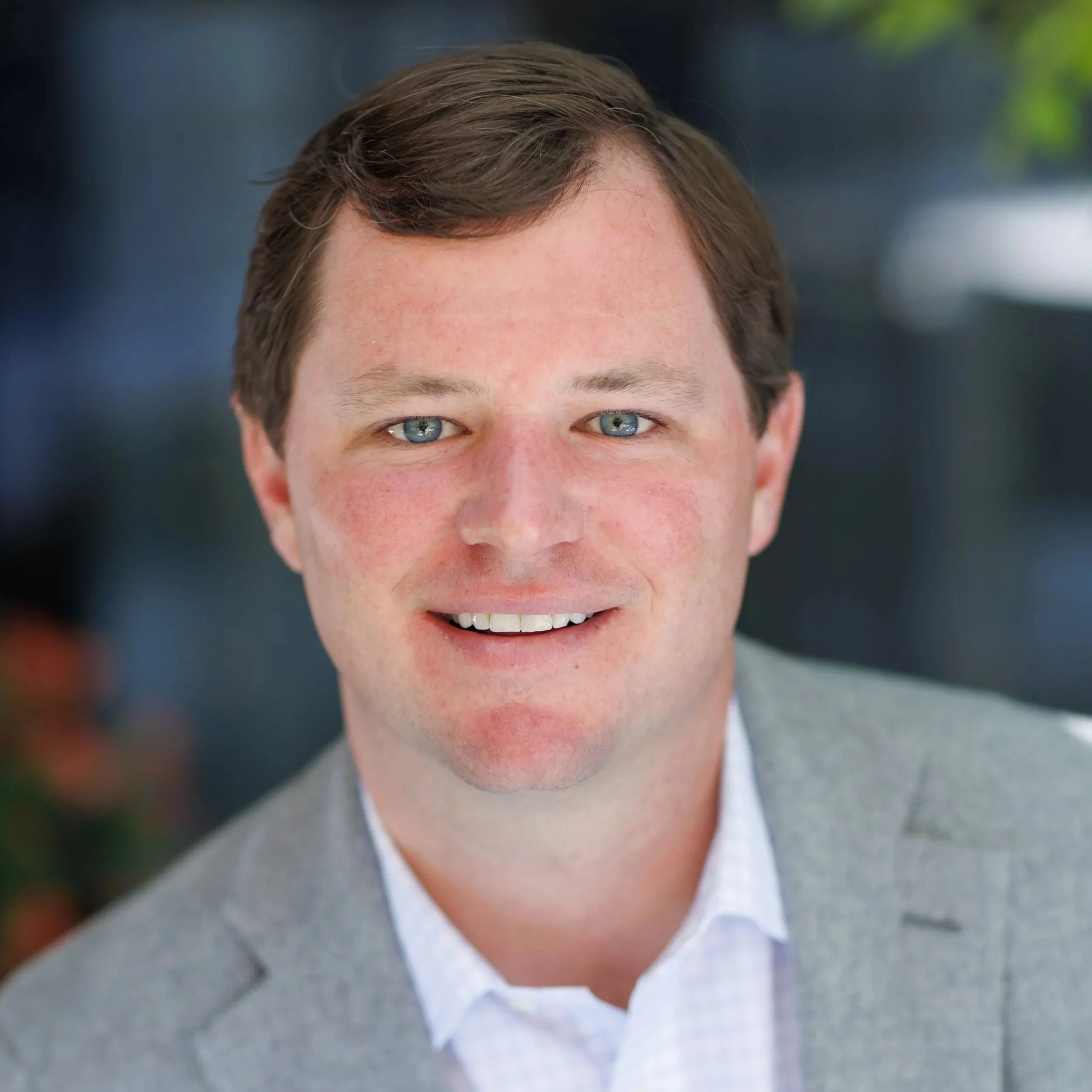
![Close-up portrait of a smiling man with blue eyes and brown hair, wearing a gray blazer and white shirt, outdoors with a blurred background.]()
Robbie Dorger
BOARD MEMBER
Robbie Dorger is a Cincinnati native and real estate professional with Comey & Shepherd Realtors. Following in the footsteps of two generations of the Dorger family, Robbie has helped grow the family business through his hard work, personable approach, and dedication to delivering the best possible results for his clients. He believes strongly in building lasting relationships and guiding buyers and sellers through the real estate process with trust, transparency, and attention to detail.Robbie has earned numerous industry recognitions, including membership in the Ohio Association of Realtors Circle of Excellence from 2019–2025 and the OAR President’s Sales Club from 2018–2025. His team was also recognized as a Top Team at Comey & Shepherd from 2023–2025 and named the Realtor Alliance of Greater Cincinnati’s Top Medium Real Estate Team in 2025.
A graduate of St. Xavier High School and the University of Kentucky, Robbie grew up in Anderson Township and now lives in Hyde Park. During high school, he was actively involved in athletics, where he developed a strong appreciation for teamwork, discipline, and shared success—values that continue to guide both his professional work and community involvement today.
-
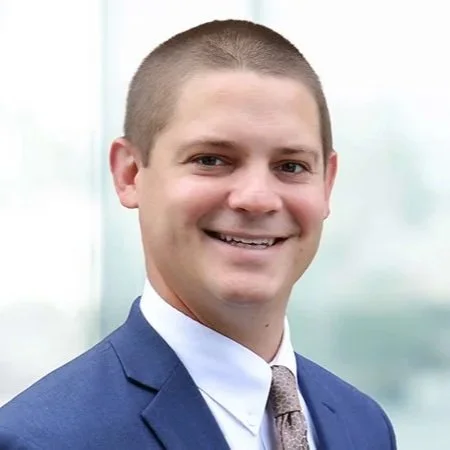
![A man in a blue suit smiling at the camera.]()
Connor Hopkins
BOARD MEMBER
Connor Hopkins serves as a member of the Board of Directors for the L.I.O.N. Foundation. He is an Employee Benefits Consultant at McGohan Brabender, helping employers design, manage, and control the costs of their employee benefits programs.
Connor lives in Milford, Ohio with his wife, Erica, a special needs teacher in the Milford school district, and their two children, Johnny and Hadley. Their family also includes a dog named Joey Burrow and two cats, Cincy and Ja’Marr.
Originally from Centerville, Ohio, Connor is a graduate of the University of Cincinnati and an avid Cincinnati sports fan.
-
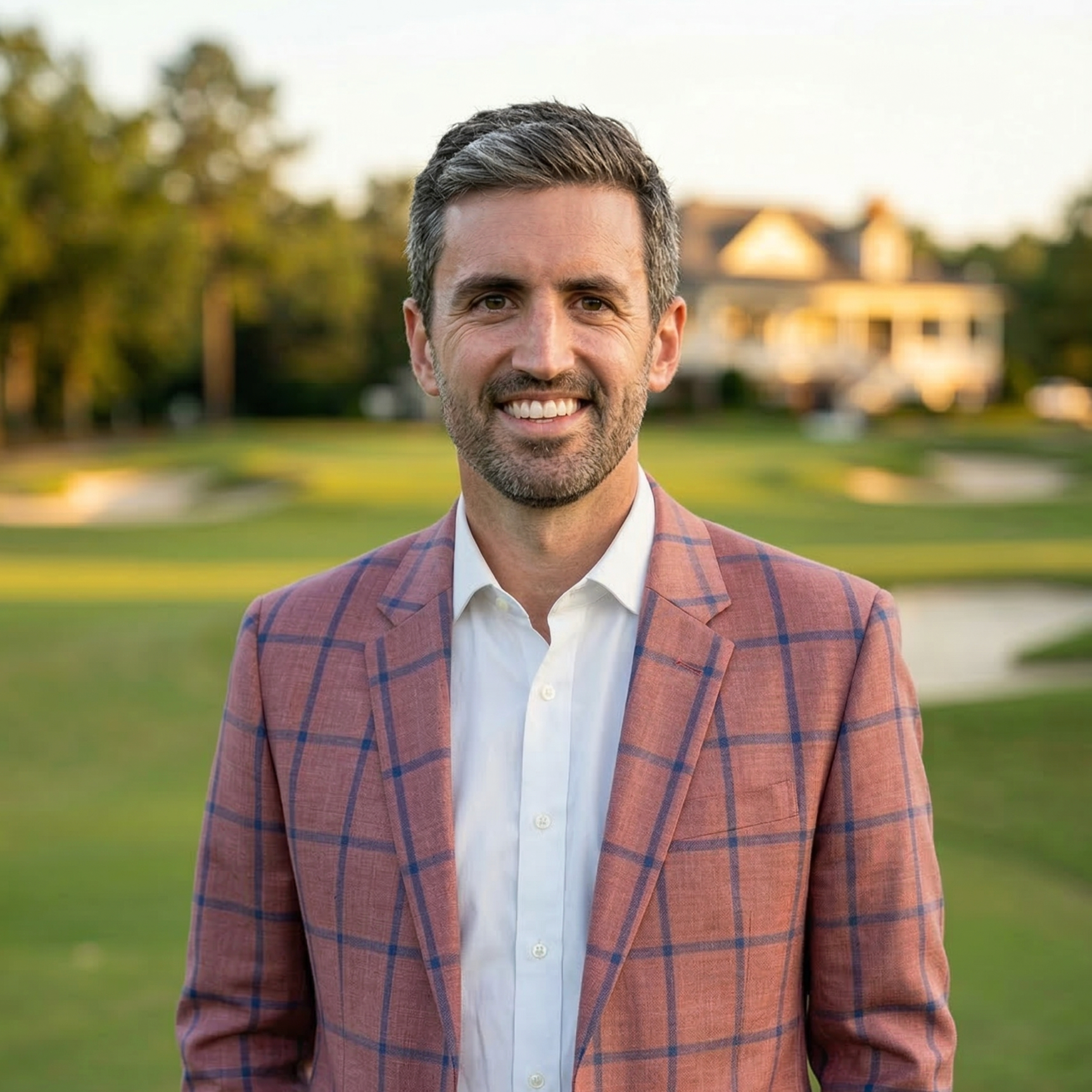
![Portrait of a smiling man in a pink plaid blazer and white shirt outdoors on a sunny day, with a house and trees in the background.]()
James Hunt
BOARD MEMBER
James Hunt serves as Vice President of Global Partnerships at Vurvey Labs, where he focuses on helping brands leverage real consumer insights to strengthen marketing strategies through advanced AI technology. Prior to joining Vurvey Labs, James held several leadership roles at Fooji, most recently serving as Director of Strategic Partnerships, where he helped brands maximize earned media through influencer engagement and high-impact promotional campaigns.Earlier in his career, James worked with leading global brands including PepsiCo and Anheuser-Busch, gaining valuable experience in brand partnerships and marketing strategy. He earned a Bachelor of Business Administration in Management and Finance from the University of Kentucky.
Growing up, James played both baseball and football throughout high school, experiences that helped shape his belief in the importance of teamwork, discipline, and shared purpose. Those lessons continue to influence his leadership style and commitment to supporting organizations that bring people together to make a meaningful impact in their communities.
-
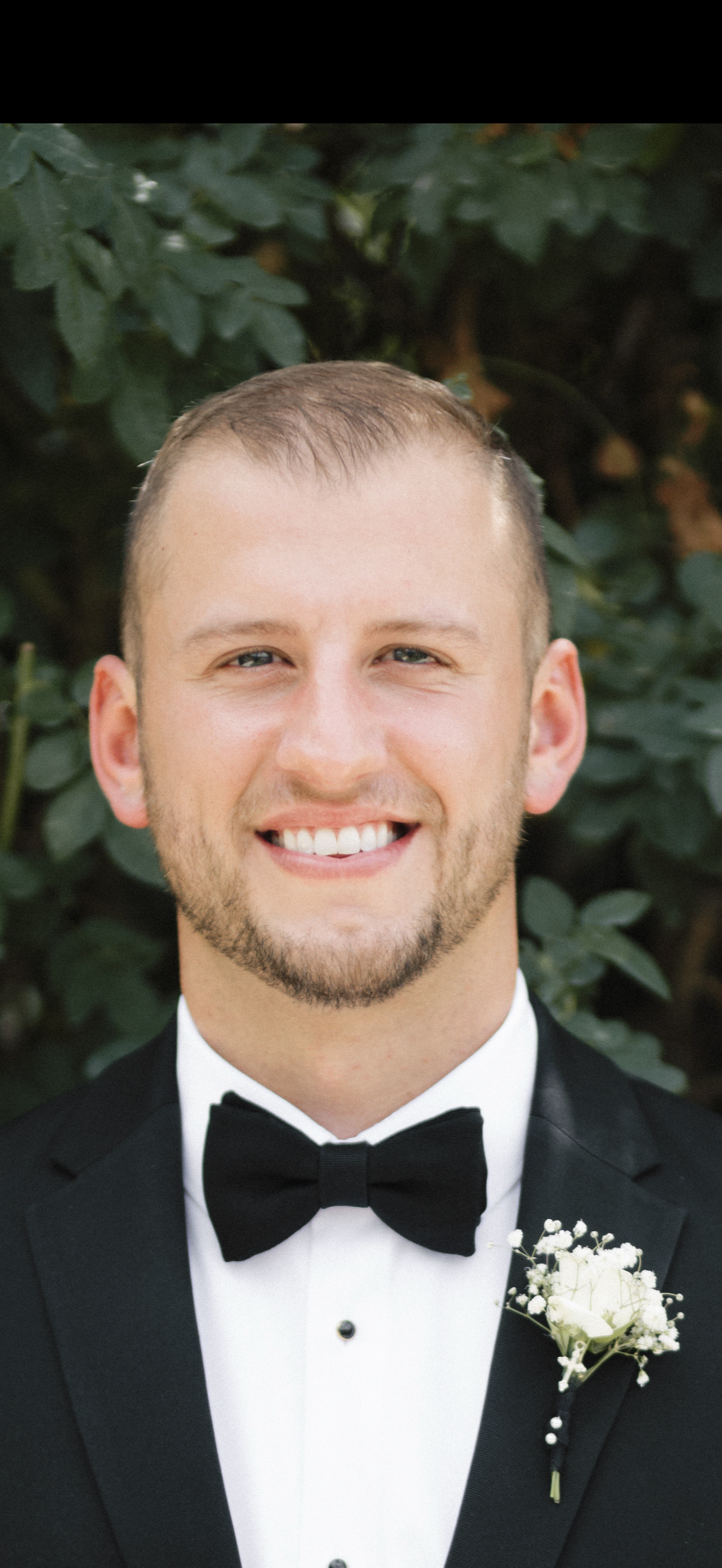
![BOARD MEMBER]()
Tyler Noonan
BOARD MEMBER
Tyler grew up in Ross, Ohio, just outside of Cincinnati. He attended the University of Cincinnati for undergrad and Northern Kentucky University for law school. Tyler is now an attorney, working as in-house counsel for Medpace, a clinical research organization that runs clinical trials for biotech and pharma companies.
Growing up, Tyler played sports year-round, constantly learning and refining all of the valuable life lessons that sports teach you. Whether it’s leadership, teamwork, dealing with adversity, remaining calm under pressure, or simply the value of hard work, these skills are invaluable in all aspects of life. Tyler is passionate about sharing those lessons and skills with others and looks forward to helping those with disabilities have access to the same experiences.
Tyler, his wife Megan, and his daughter Quinn currently live in Cincinnati. During his free time, you can find Tyler hanging out with family and friends, working on his golf game, or cheering on his favorite sports teams.
Contact us
Interested in working together or have a question? Fill out some info and we will be in touch shortly. We can’t wait to hear from you!